As a South Florida Realtor and Certified Probate Specialist (CPS), I believe one of the biggest misconceptions about probate is that families must wait until the entire process is finished before selling an inherited home.
That’s not necessarily the case, and waiting longer than necessary can become expensive, especially when the property is sitting vacant or has ongoing financial obligations.
The important distinction is between selling a property while probate is underway and selling before the legal authority to do so has been established.
How Selling a House During Probate Works in Florida
When someone passes away, their estate may need to go through probate to identify assets, settle outstanding obligations, and distribute property to the appropriate beneficiaries.
In Florida, the person appointed by the probate court to administer the estate is called the personal representative, often referred to as the executor.
Under Florida Statute 733.613, a personal representative may have the authority to sell estate real estate before probate is completed.
Generally, the process depends on the following:
- If the will grants the personal representative the power to sell real estate, the property can generally be sold without obtaining a separate court order approving the sale.
- If there is no will, or the will doesn’t provide sufficient authority to sell, the probate court must authorize or confirm the sale before title can pass to the buyer.
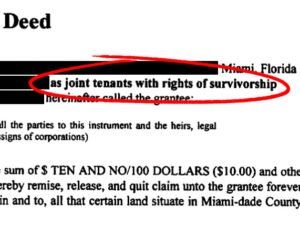
- If the property qualifies as protected Florida homestead, different rules apply because ownership may pass directly to the surviving spouse or heirs rather than through the personal representative.
Florida’s homestead protections are particularly important. A property that qualifies as protected homestead may require additional legal documentation to establish who has the authority to convey it.
That’s why I strongly recommend consulting with a qualified Florida probate attorney before listing an inherited property. An attorney can establish who has the authority to sell and identify any legal requirements that need to be satisfied before closing.
The bottom line is that probate doesn’t necessarily have to be finished for a home sale to close.
Why Selling Before Probate Is Complete May Make Sense
One thing I always emphasize is that the expenses associated with owning a home don’t stop when someone passes away.
The mortgage payment still comes due. Property taxes continue accumulating. Insurance, utilities, lawn care, and general maintenance still need to be addressed.
For families already managing funeral expenses, legal fees, and other estate responsibilities, those additional costs can become a serious financial burden.
Sometimes the deceased owner had been living in an assisted living facility or nursing home for several years. During that time, the property may have remained vacant or experienced significant deferred maintenance.
Other times, the heirs simply don’t have the money or desire to continue paying the property’s expenses.
In South Florida, there’s another consideration: our climate.
Hurricanes, heavy rainfall, plumbing leaks, falling trees, insects, and other unexpected problems can cause considerable damage to an unoccupied property. Even an overgrown lawn can result in code violations.
Insurance coverage can also become complicated when a property is vacant or the original owner has passed away.
I’ve spent years working with South Florida residential properties, and one thing I’ve learned is that an unattended home can become an expensive problem surprisingly quickly.
If the family has already decided to sell, I generally believe it’s better to begin moving toward that goal rather than allowing the property to sit unnecessarily.
Of course, that doesn’t mean rushing into a sale or accepting an unreasonable offer. It means being proactive once the decision has been made.
Preparing the Property for Sale While Probate Is Underway
Even when the legal process isn’t far enough along to complete a sale, there’s often plenty that can be done to prepare.
For example, the family and its authorized representatives can work with the appropriate professionals to:
- Determine the property’s current market value.
- Identify outstanding mortgages, property taxes, liens, and other obligations.
- Evaluate the home’s condition and any necessary repairs.
- Secure the property and establish a maintenance plan.
- Decide whether selling the property as-is makes financial sense.
- Develop a realistic marketing and sale strategy.
These steps can help reduce delays once the appropriate legal authority is established.
A Realtor familiar with probate-related transactions can coordinate with the probate attorney, help keep the real estate side of the process organized, and make sure the parties understand the practical steps involved.
It’s important, however, that any listing agreement or purchase contract be executed only by someone with the legal authority to do so.
Closing the Sale Before Probate Is Finished
Once the necessary legal authority is established, the home can be marketed, offers can be negotiated, and the sale can proceed toward closing.
Depending on the circumstances, the personal representative may need to obtain a court order authorizing or confirming the transaction.
The probate attorney and title company should work together to confirm that the appropriate documents are in place before ownership transfers to the buyer.
One important distinction is that closing the sale doesn’t necessarily mean the estate’s proceeds can be distributed to heirs immediately.
When the home is an estate asset, sale proceeds may need to remain available for estate expenses, creditor claims, and other obligations before distribution. Protected homestead property can be treated differently.
The probate attorney can explain when funds may be distributed based on the estate’s particular circumstances.
My Advice to Florida Families Considering a Sale During Probate
If you’ve already decided that selling the property is the right choice, my advice is to begin the process as early as legally and practically possible.
Every additional month can mean another mortgage payment, more insurance costs, additional maintenance, and the possibility of something unexpected happening to the property.
But beyond the financial considerations, there’s something else I think matters just as much: peace of mind.
Losing someone you love is difficult enough. Dealing with the estate, paperwork, financial obligations, and an inherited home can make an already challenging time feel overwhelming.
Once you’ve made the decision to sell, getting the property taken care of and off your plate can be a tremendous relief.
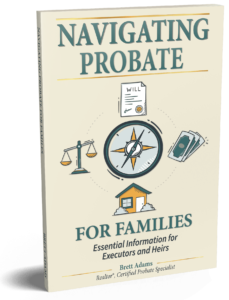
That’s part of why I wrote Navigating Probate for Families. I wanted families to have a straightforward, practical resource to help them understand their options and navigate the process with greater confidence.
If you’d like a copy, you can get the book free here.
The most important thing to remember is that you don’t necessarily have to wait for probate to be completed to sell a Florida home. You simply need to make sure the proper legal requirements are met before moving forward.